
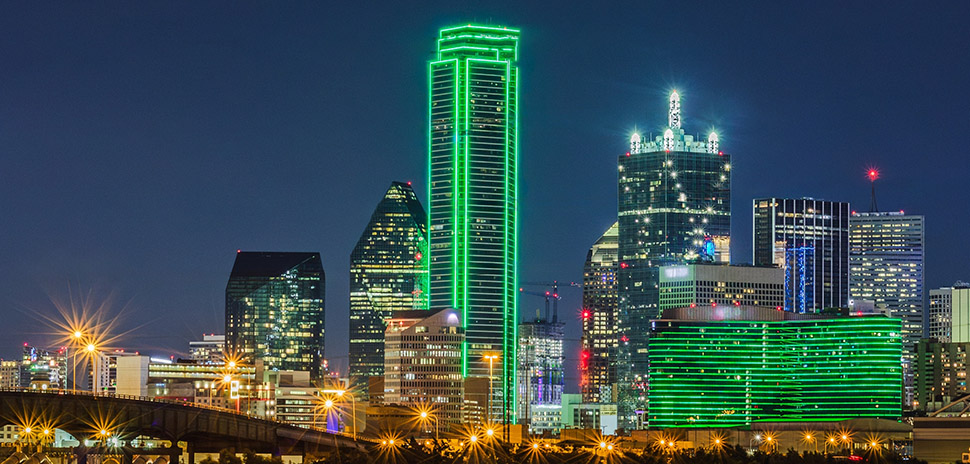
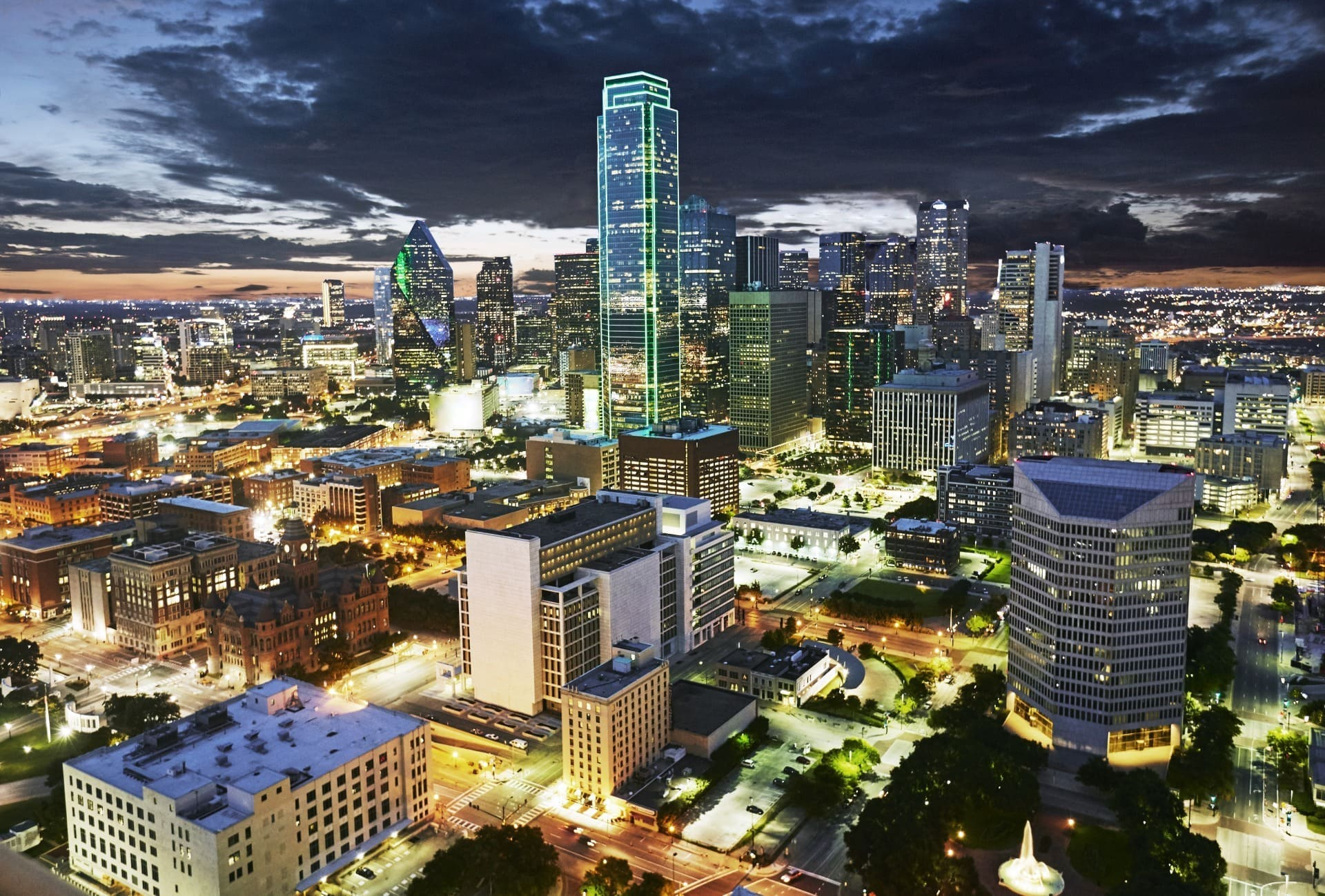
The face of Dallas is undergoing its most radical transformation in decades. While the legendary neon-lit Bank of America Plaza remains an unmistakable landmark, a new generation of skyscrapers is prioritizing high-tech infrastructure and seamless integration with the urban environment. Dallas is becoming “vertical,” transforming former vacant lots into multi-functional districts where the boundaries between work, living, and leisure are becoming increasingly blurred.
In this at dallas-future.com article:
- about Dallas’s massive transformation into a “vertical city,” where a new generation of smart skyscrapers is replacing outdated glass boxes;
- about the architectural breakthrough to the south and the One Newpark strategy, designed to bridge the wealthy center and industrial outskirts;
- about the philosophy of autonomous ecosystems, where offices, gardens, and the digital infrastructure of the future coexist within a single structure;
- about the key projects, from Parkside Tower to the Goldman Sachs campus, shaping the new technological skyline of the Texan metropolis.
Projects Shaping the Future
Modern Dallas has evolved into a global stage for the boldest architectural solutions. The primary concentration of innovation and capital is currently focused in Uptown and the northern edge of Downtown, where concrete voids are giving way to next-generation intelligent structures.
- Bank of America Tower at Parkside. This tower has become the embodiment of the “trophy office” concept—a property that offers far more than just workspaces, but an exclusive lifestyle. The building’s crowning jewel is its direct, “seamless” access to Klyde Warren Park. Architects have integrated numerous private terraces and a magnificent Sky Lobby, allowing employees to feel connected to the urban energy even while working dozens of stories up. It is not just an office; it is a powerful talent recruitment tool that firmly establishes Uptown as the new financial heart of Dallas.
- Goldman Sachs Campus. This massive project in Victory Park represents one of Goldman Sachs’ largest office footprints outside of New York City, serving as a significant market signal. It is more than a building—it is an autonomous ecosystem designed for thousands of employees. Built on principles of sustainability and walkability, the campus features its own parkland, recreation zones, and a robust service infrastructure, erasing the line between professional life and urban leisure.
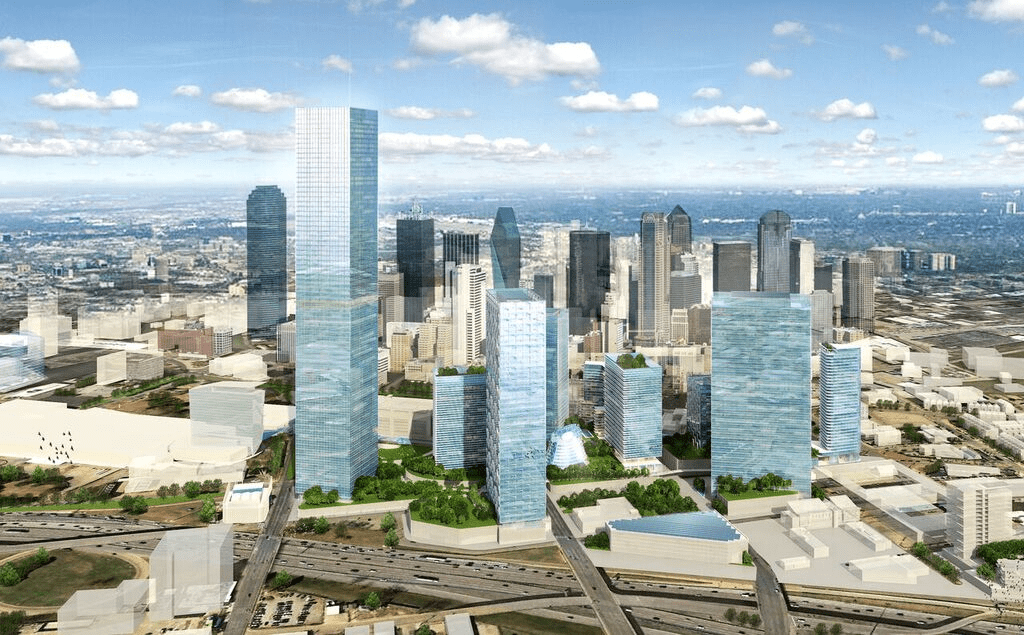
- Field Street District. Currently the most ambitious development plan in North Texas, this project envisions a series of skyscrapers with the potential to reshape the hierarchy of the city’s highest points. The Field Street concept is rooted in the creation of a “Smart District,” where every square foot is embedded with data collection and energy efficiency technologies. It is an audacious attempt to build a district of the future, where Dallas’s commercial might harmonizes with the luxury of premium residential quarters.
Southern Gateway: An Architectural Breakthrough to the South
For the first time in many decades, the architectural focus of Dallas has made a decisive pivot. If skyscrapers once “fled” northward, the beginning of the 2000s saw capital and innovation opening new horizons to the south, transforming former industrial outskirts into epicenters of urban growth.
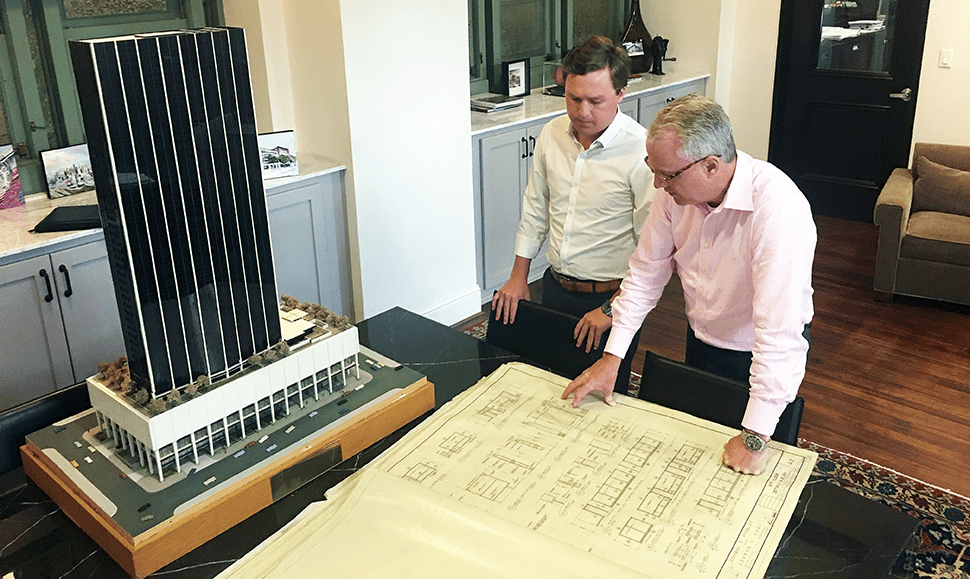
- Prologue to a New Era. The One Newpark tower, rising in close proximity to City Hall, has become the primary symbol of the “Southward Growth” strategy. This is not merely another skyscraper of steel and glass, but a strategic anchor for a future tech and education hub. The project is designed to be a bridge that finally connects the affluent center with southern territories that remained in the investment shadow for too long. One Newpark introduces the “vertical campus” concept, where the offices of IT giants sit alongside research centers, creating a breeding ground for the new Texas economy.
- Acres of New Opportunities. The massive reconstruction of the Kay Bailey Hutchison Convention Center is arguably the most ambitious infrastructure project in this part of the city. The overhaul of the main exhibition venue involves not just modernizing halls, but a radical change to the ground-level master plan. Entire swaths of land previously occupied by outdated structures are being freed up. This opens space for a constellation of new skyscrapers, hotels, and public plazas. Instead of a closed, monolithic object, the city gains an open, permeable architectural network that stimulates the rise of new business landmarks.
The southern direction of Dallas today is a “blank canvas” for architects, where new buildings are designed with the lessons of the past in mind. There is no room for isolated structures here; every project, from One Newpark to the revamped convention center, is integrated into a global strategy to create an inclusive and high-tech metropolis of the future.
The Vertical City Philosophy
The era of glass “boxes” serving only as office containers has officially ended. Modern architectural thought in Dallas reimagines the skyscraper not as an isolated structure, but as a complex, self-sufficient ecosystem functioning on the principles of a vertical city. This is the response to a new generation that values time, ecology, and technological seamlessness.
- Ecological Integration and LEED Standards. Today, every iconic new tower in Dallas is designed with the goal of achieving the highest energy efficiency certifications. However, “green” architecture is now more than just solar panels. It includes vertical gardens and open terraces that become an integral part of the facade. High-level greenery does not just play a decorative role—it acts as a natural air filter, reduces urban noise, and creates a protective layer that limits building heat. Projects like the Bank of America Tower at Parkside demonstrate that an office worker can step out for a walk in a park simply by pressing an elevator button to the “Sky Lobby.”
- The Tower as an Autonomous District. Modern Dallas projects embody the Mixed-use 2.0 concept. Within a single vertical structure, premium offices, luxury apartments, five-star hotels, and retail galleries now coexist harmoniously. This creates a unique social space where residents can access all necessary services—from fitness center workouts to dinners at Michelin-starred restaurants—without ever leaving their building. This hybridity ensures the building stays “alive” 24/7, maintaining a constant flow of energy and security in the neighborhood.
- Digital Infrastructure and Building Intelligence. Dallas architecture today is inextricably linked to digital code. Skyscrapers are equipped with smart management systems that analyze energy consumption, air quality, and elevator traffic in real time. The implementation of touchless technology and biometric access makes movement through the building as fast and secure as possible. Furthermore, architects are designing projects with the flexibility to easily upgrade networks for future innovations, such as 6G or drone ports, ensuring the building’s relevance for decades to come.
The Vertical City philosophy is a Dallas manifesto stating that the future does not require expanding borders outward. It demands depth, intelligence, and a respect for human comfort, elevated to a bird’s-eye view.
Comparative Table of Key Development Projects
| Project | District | Concept | Impact on the City |
| Parkside Uptown | Uptown | Trophy Office + Park | Luxury Real Estate Leader |
| Goldman Sachs Campus | Victory Park | Corporate Village | Massive Talent Attraction |
| Field Street Tower | Downtown | Next-Gen Skyline | Technological Dominance |
| One Newpark | South Side | Tech Hub | Southern Revitalization |
Sources:
- https://dallasinnovates.com/power-of-towers-how-dallas-tallest-buildings-continue-to-trumpet-its-future/
- https://www.papercitymag.com/real-estate/dallas-smart-district-tallest-high-tech-skyscrapers-amazon-headquarters/
- https://www.webuildvalue.com/en/infrastructure/1000-feet-the-new-goal-of-texan-skyscrapers.html
- https://www.nbcdfw.com/news/business/new-38-story-skyscraper-to-be-added-to-the-downtown-dallas-skyline-in-2024/2632891/

