
Dallas is renowned for its majestic skyscrapers, yet beneath their foundations lies an entire parallel infrastructure—the Dallas Pedestrian Network. This extensive system of tunnels and skybridges creates an alternative dimension to the Central Business District, where life thrives according to its own rules, independent of the weather conditions on the surface.
From this article at dallas-future.com, you will learn about the ambitious history, unique climatic comfort, and modern architectural role of the Dallas Pedestrian Network—a hidden “underground city” beneath the skyscrapers of Texas that has become an autonomous business hub and a safe oasis in the heart of a scorching metropolis.
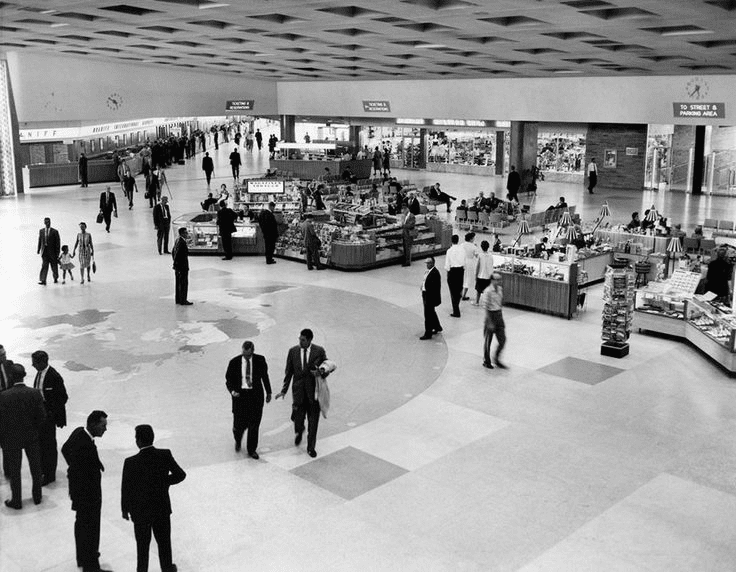
Architect of the Underground Utopia
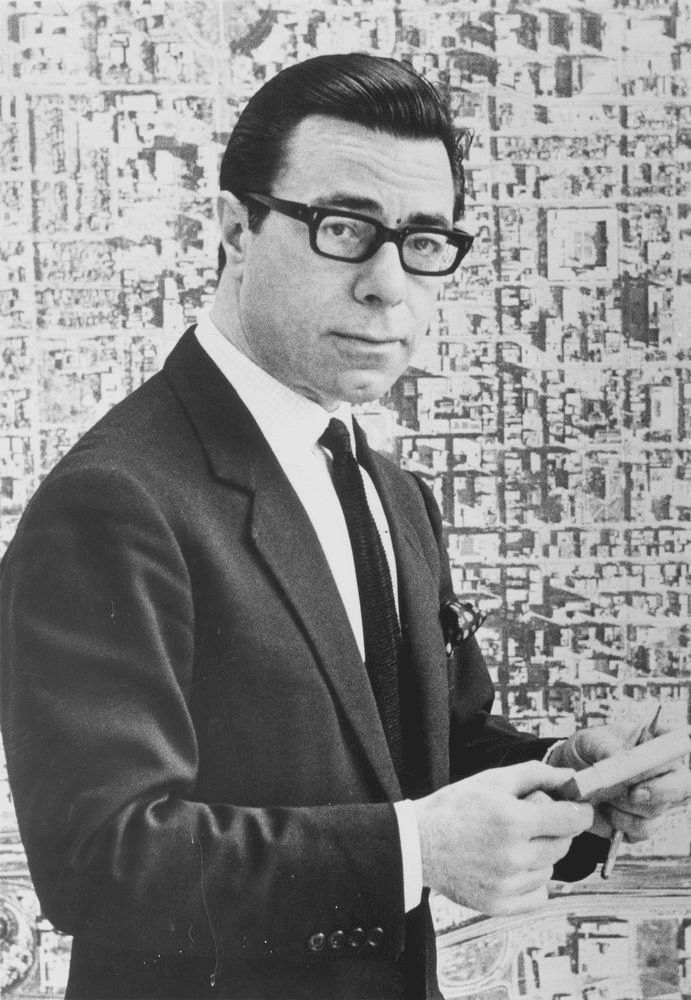
The idea of underground Dallas, which sparks so much debate today, was born in the turbulent 1960s—the golden era of modernism and the belief that architecture could completely reshape human social behavior. The primary ideologue behind this ambitious transformation was Vincent Ponte, a brilliant Canadian urbanist and planner who arrived in Texas with a reputation for taming urban chaos.
Ponte brought with him the experience of creating RÉSO—Montreal’s world-famous underground city. His vision for Dallas was based on a radical principle for that time: traffic segregation. Ponte viewed the city as a complex, multi-level mechanism where each level had its own distinct function.
- Segregation of Flows as a Humanistic Mission. Ponte’s core philosophy was that humans and automobiles could not effectively coexist on the same plane. He proposed giving surface thoroughfares exclusively to cars to ensure maximum logistical speed. In return, pedestrians were to have their own “parallel world”—a protected, climate-controlled space underground, free from exhaust fumes, engine noise, and the risk of traffic accidents.
- Efficiency for the Business Elite. For Ponte, the underground network was a tool for productivity. He aimed to make navigating Downtown as short and comfortable as possible for thousands of office workers. According to his plan, a clerk could travel from a parking garage to the office, then to lunch at a food court, and to a meeting in another skyscraper without ever stepping outside.
- Dallas-Sized Scale. Ponte’s project was not merely a network of corridors. It was intended to be a complete ecosystem with retail spaces, banks, and recreation zones, connecting the city’s key architectural landmarks.
While Ponte’s concept did transform Dallas into one of America’s most futuristic cities of its time, it laid the foundation for a complex conflict. By dividing the flows, he inadvertently divided the city’s life itself. Surface streets lost their vitality, and the underground city turned into a private elite club. Today, looking at Ponte’s legacy through the lens of time, we realize his vision was flawless from an engineering standpoint but became a challenge for the vibrant urbanism of the sidewalks.
Scale and Geometry of the Underground Network
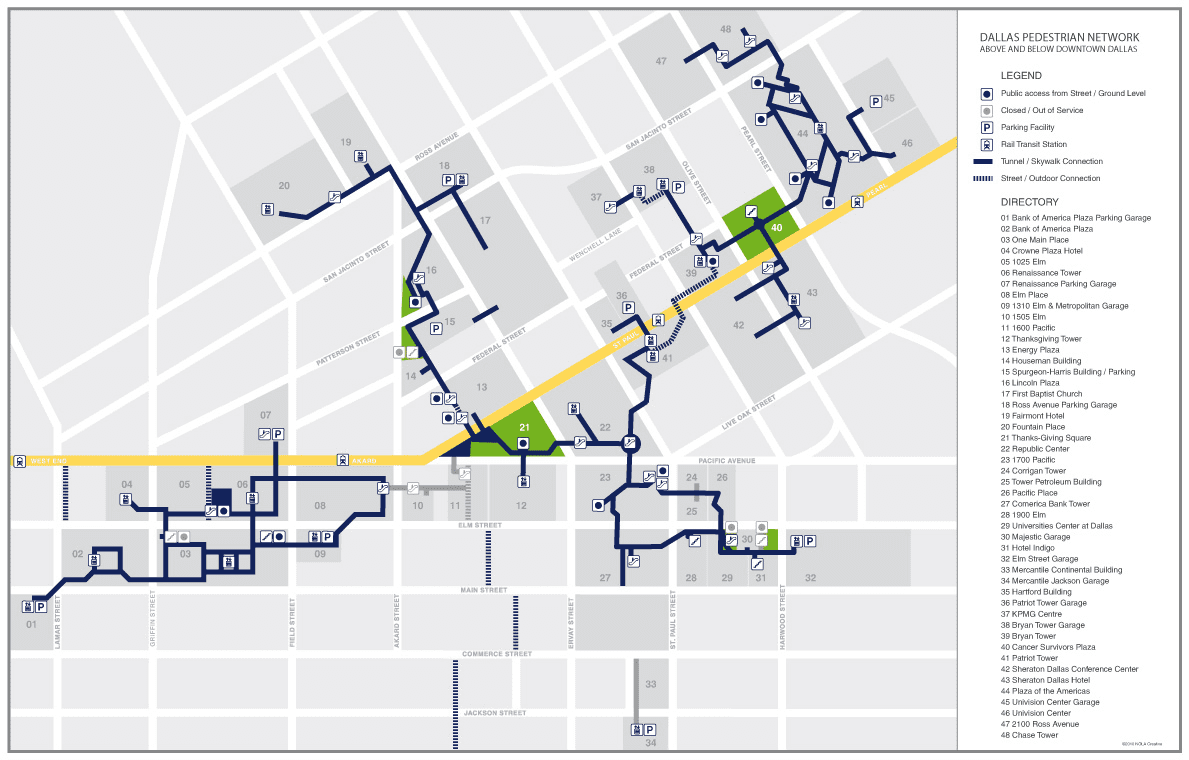
The Dallas Pedestrian Network is not just a series of walkways; it is the true architectural “backbone” of the city, impressive in its length and geometric complexity. Stretching for approximately 5 kilometers (3 miles), the network forms an intricate multi-functional labyrinth hidden deep beneath the asphalt of the Texas metropolis.
This underground artery was designed as an ideal logistical system connecting over 30 key landmarks in the business center. The network’s geometry covers the city’s most critical points of interest:
- Iconic Office Towers. Tunnels are integrated directly into the foundations of skyscrapers like Bank of America Plaza, Renaissance Tower, and Comerica Bank Tower. For thousands of employees, this means the ability to reach their workplace directly from an underground passage.
- Luxury Hotels and Services. The network provides seamless access to world-class hotels and major retail zones, making Downtown convenient for business travelers who value time and comfort.
- Transit Hubs and Parking. Massive multi-level parking structures and public transit nodes are integrated into the system to minimize outdoor exposure.
- Municipal Sector. Government offices and administrative buildings are also part of this labyrinth, ensuring rapid communication between various branches of city management.
Due to this strategic coverage, the “underground backbone” allows residents and visitors to cross a significant portion of Downtown while remaining in a safe, climate-controlled environment. It creates the illusion of being inside one giant building, where each tower is merely a separate room in Dallas’s vast underground castle.
A Climatic Oasis in the Heart of Texas
In a metropolis where the summer sun turns asphalt streets into scorching griddles, the underground tunnel network serves as more than just a pedestrian walkway—it is a strategic climatic refuge. Texas is known for its extreme summer temperatures, which consistently exceed 40 °C (104 °F), making prolonged outdoor stays in the city center not only uncomfortable but dangerous.
- Stability Technology. The Dallas Pedestrian Network is a fully isolated and climate-controlled zone. Thanks to industrial-grade air conditioning systems integrated into the skyscrapers, the tunnels maintain consistent coolness and optimal humidity levels. This creates a unique microclimate that sharply contrasts with the “urban heat island” on the surface.
- Compromise-Free Dress Code. For Downtown’s business elite, the tunnels are mission-critical. They allow top executives and attorneys to move between meetings in full formal attire—wool suits and ties—while maintaining a flawless appearance. The underground network has effectively “canceled” the impact of Texas weather on the city’s corporate culture.
- Social Sanctuary. During the hottest hours of the day, from 11:00 AM to 4:00 PM, life on the sidewalks of Elm Street or Main Street grinds to a halt, but it thrives vibrantly several meters below. The tunnels become a destination for lunches, walks, and socialization, offering residents and tourists a true “oasis of coolness” amidst the concrete jungle.
For many visitors to Dallas, their first encounter with the tunnels is a source of genuine amazement. While a scorched desert reigns above, life pulses below in a perfect temperature regime. This is the functional magic of a project that turned Texas’s harsh conditions into a high-tech city advantage.
More Than Just a Walkway
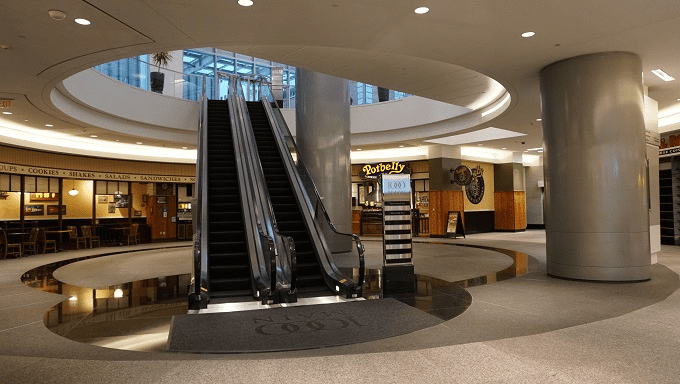
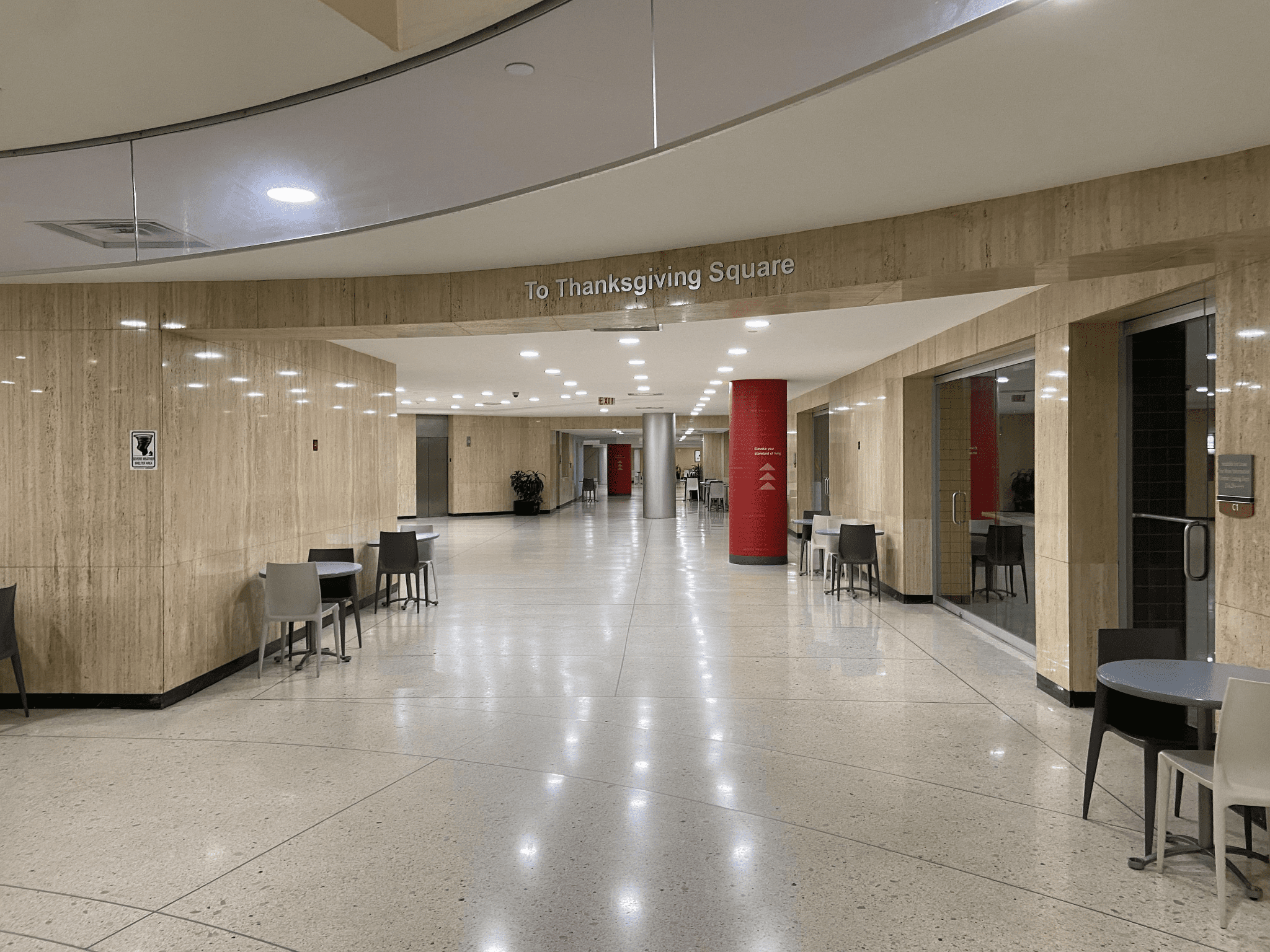
The interior architecture of the Dallas Pedestrian Network is devoid of the monotony typically found in ordinary passages, as it was designed as a full-scale commercial hub pulsing with the rhythm of the business day. It is an autonomous service ecosystem where everything needed for the productive life of thousands is gathered under one roof.
Massive food courts offering a gastronomic variety—from classic Texas BBQ to refined Asian cuisine—sit alongside retail galleries where one can purchase everything from the morning news to pharmaceuticals. The presence of bank branches, dry cleaners, and boutiques turns the tunnels into an ideal service node, allowing office workers to handle daily errands without spending time on city-wide logistics.
However, the operation of this underground city is strictly tied to the business center’s schedule. The Dallas Pedestrian Network operates in unison with the rhythm of major corporations, opening its doors primarily on weekdays—usually from 6:00 AM to 6:00 PM. On weekends and evening hours, when office towers empty, most sections of the network are closed to public access. This regulation is a vital component of the security and maintenance system within the labyrinth, requiring tourists and Downtown visitors to plan their routes carefully to avoid encountering locked glass doors after the workday ends.
Current Status and the Future of the Network
Despite the obvious benefits, modern urbanist thought in Dallas is shifting toward a change in strategy. Recently, the city has engaged in discussions regarding limiting the further expansion of the underground network.
The reason is a desire to stimulate street-level activity. City authorities and urbanists aim to bring life back to the sidewalks, develop ground-level retail, and create vibrant outdoor public spaces. This makes the city more attractive to tourists and fosters the atmosphere of a living, dynamic metropolis.
In any case, Dallas has managed to tame its elements, transforming harsh concrete and extreme heat into a space for life and innovation. This city no longer chooses between the speed of cars and the comfort of people—it is building a future where technological excellence and humanism have finally become one. Today, Dallas is not just changing its silhouette; it is creating a new standard for a metropolis that breathes, thinks, and cares for everyone.
Sources:
- https://medium.com/lessons-from-history/the-hidden-city-under-dallas-that-nobody-remembers-c9294ad6a73f
- https://texashillcountry.com/tunnels-under-texas-cities/
- https://www.kickstarter.com/projects/dfwcre8tive/designing-a-map-for-the-dallas-pedestrian-network
- https://www.amli.com/blog/the-dallas-underground-pedestrian-network
- https://www.dallasnews.com/news/curious-texas/2018/05/16/is-there-really-an-underground-mall-in-downtown-dallas-curious-texas-goes-exploring/

