

Around the end of the 19th century, prostitution was considered illegal and immoral in Texas cities. However, despite these social norms, the sex market thrived, demonstrating that society’s standards remain double. Learn more at dallas-future.
Brothels were particularly popular in Dallas. As a result of the construction of a railway, there were a lot of men living in the city. They all made good money. Women, on the other hand, did not have a stable income, therefore they resorted to completely desperate measures to earn a living.
The first Dallas brothel owner
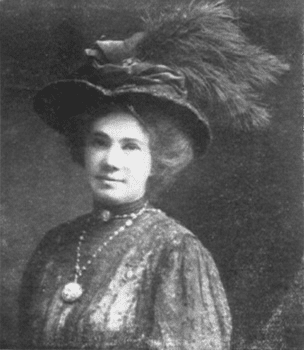
Lizzie Handley was born on April 1, 1844, in Greenup County, Kentucky. There is no reliable information regarding her childhood that could explain her lifestyle. The woman claimed that her father, Daniel Boon Howe, was a direct descendant of the renowned British admiral Lord Richard Howe and a friend of George Washington. However, the research carried out by historians was unable to uncover any proof of this. Lizzie most likely made up the story about her origin.
Lizzie Handley’s personal life is the most plausible explanation for her arrival in Dallas. The girl married for the first time in 1860, but her marriage was short-lived due to her repeated cheating. Lizzie’s second formal spouse passed away just five days after their wedding. The woman’s third marriage was likewise unsuccessful. However, the most important thing Lizzie gained from each man was money.
In 1873, Lizzie Handley relocated to Dallas. At the time, the city was in its heyday, with the construction of a railway connection underway and a large population of men living there. So the woman realized that these were the best conditions for the development of the sex industry.
Cooperation between Lizzie Handley and Annie Wilson
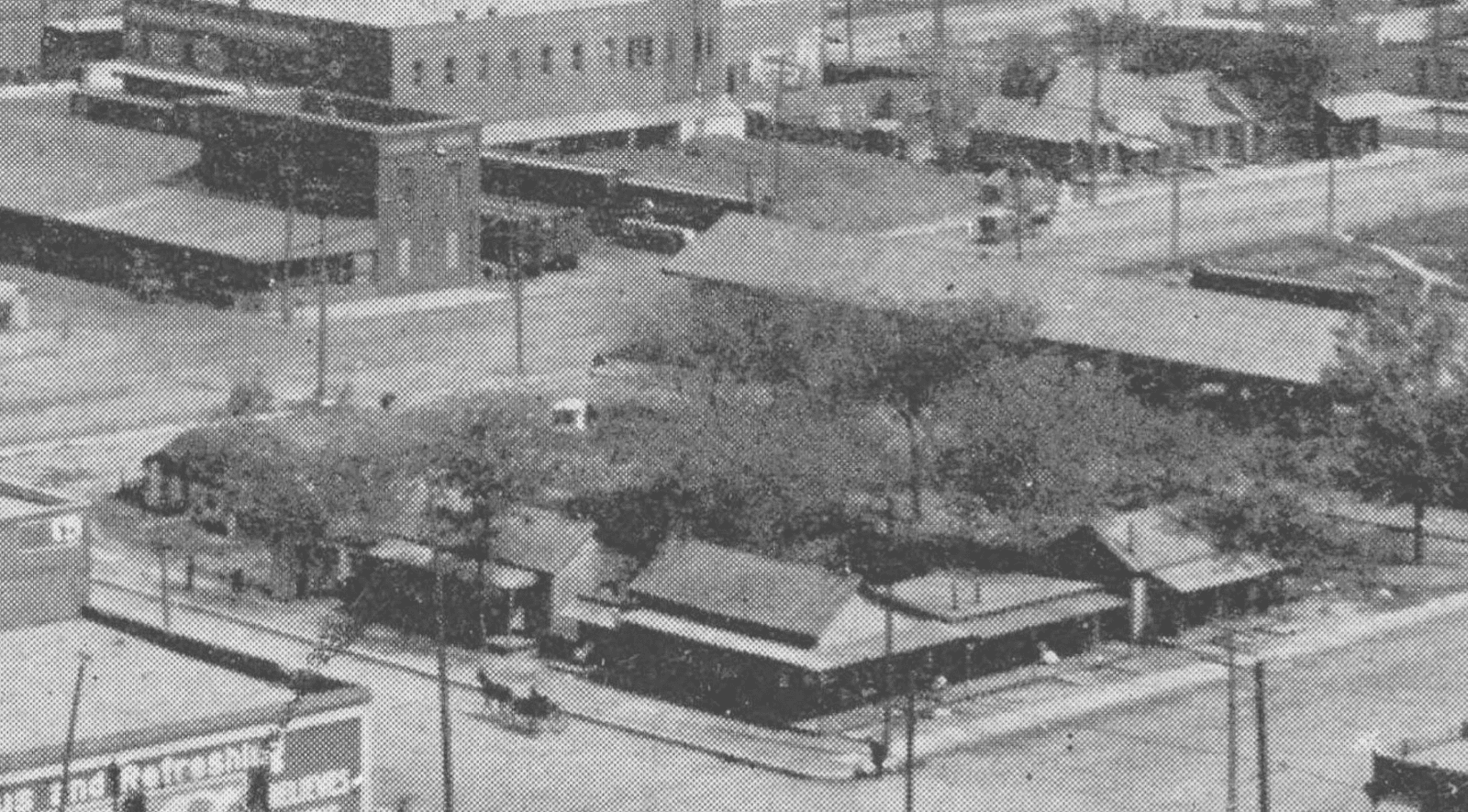
Lizzie Handley began her successful career as a Dallas brothel proprietor at the place located between Market and Austin streets. Less than a year after her divorce from her last husband, Charles Goff, she purchased a 50-by-100-foot plot of land. Lizzie recruited girls and women looking for work and taught them how to please men. In 1878, one of her “students” was Annie Wilson. Annie was the wife of James M. Wilson, a fairly influential man at the time. He taught her a number of skills which she used against his will to delight other men and get money. Annie Wilson drew wealthy clients who were willing to invest a lot of money in Lizzie Handley’s business. The first mention of Annie in the Dallas directory was in 1878, in a notation regarding Lizzie Handley’s brothel at 1112 Jackson Street.
Already in 1879, Annie Wilson began working on opening her own brothel. On October 1, 1879, Wilson purchased a 90-by-140-foot plot of land on the corner of Austin Street for $750. There she built a three-story mansion with approximately 20-25 rooms.
Over the next decade, as no one particularly fought it, prostitution flourished in Dallas. At the same time, Lizzie Handley and Annie Wilson were becoming more successful.
Beginning of the fight against the red light district
In 1883, Lizzie Handley persuaded a jury not to convict her for running brothels. She kept up a luxurious lifestyle and maintained friendships with the most influential people in Dallas.
In 1886, then-Mayor of Dallas, John Henry Brown, declared war on prostitution. Brown was opposed to the city having a red light district and took a strong stand against brothels. He was particularly opposed to regions known as “Boggy Bayou” and “The Reservation”. The mayor stated that local officials should oppose prostitution because the number of brothels in the city was fast increasing. The mayor’s strong opposition stemmed from an instance in which an entrepreneur from Fort Worth decided to establish her own brothel and was urged to do it in Dallas, where no one appeared to interfere with it.
Brown believed that the existing laws were ineffective in combating prostitution, therefore he attempted to change the situation legally. Despite his best efforts, the city council representatives had opposing opinions. Although John Henry Brown was never able to entirely eradicate the sex business in Dallas, he became a local symbol of the fight against prostitution.
In the early 1900s, prostitution in Dallas was partially overcome by nature. When the Trinity River overflowed its banks, it swept away the majority of the houses, barns and, of course, brothels in the Boggy Bayou area.
Sex business in the Deep Ellum neighborhood
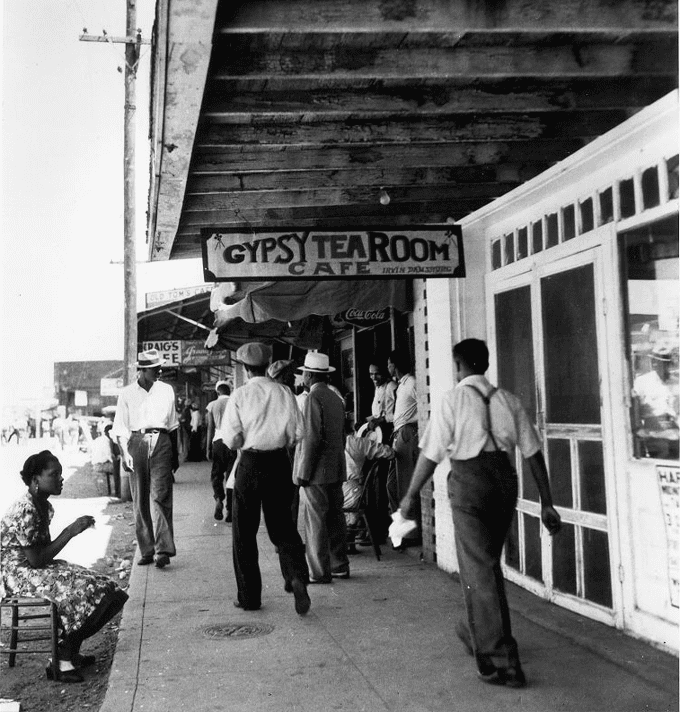
Lawlessness in Dallas was so widespread that brothels extended far beyond Boggy Bayou and the Reservation. For example, in the early 1900s, the Deep Ellum neighborhood of Dallas was recognized not just for the growth of private businesses, but also for the increase of prostitution and other illegal activities. Thanks to low rents, residential buildings turned into homes for so-called “female boarding houses” and prostitute cribs. Street prostitution, salons, dance halls and drug shelters all threatened the safety of ordinary citizens. Various sexually transmitted diseases were common among those engaged in prostitution in the area.