
Alcohol consumption has a negative impact on our health, yet that hasn’t stopped major companies from actively selling such beverages in stores. When it comes to Dallas, alcohol has a long and multifaceted history that reflects the broader social and economic development of both the United States and the state of Texas. Today, we’ll take a look at how alcoholic beverages first appeared in our city. Learn more at dallas-future.com.
European Immigrants Brought the First Alcohol
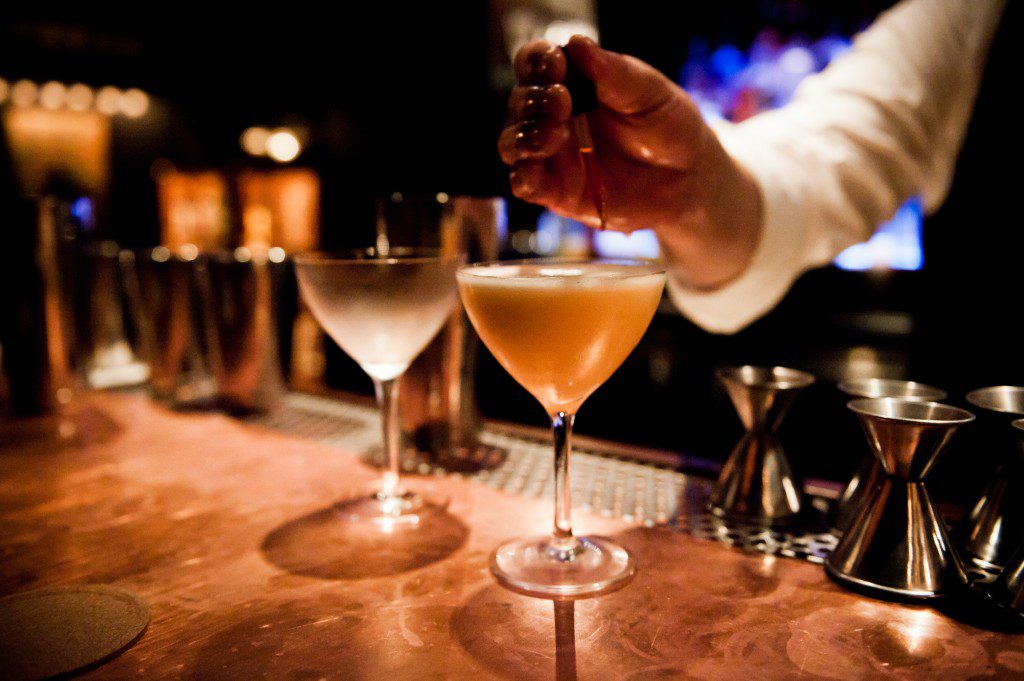
For better or worse, alcohol became a valued part of Dallas’s cultural life. The first alcoholic beverages appeared in the city during the first half of the 19th century, when European immigrants began settling in the region.
Dallas was officially founded in 1841, and just a few decades later, the city saw the opening of its first breweries and distilleries. These early breweries quickly became an important part of the local economy and social scene, supplying residents with beer — a popular beverage at the time.
Back then, alcohol production was mainly run by small family-owned businesses operating within the city and surrounding areas.
Historians note that from the 1860s to the 1880s, most breweries were established by German immigrants, who brought with them the traditions of quality beer-making. The Germans played a crucial role in developing the brewing industry not only in Texas, but throughout the United States. A historical example is Eberhard Anheuser, a German-American brewer who laid the foundation for what would later become the Budweiser empire. Similar family-owned breweries soon spread across the country — including in Texas and Dallas — helping to shape the city’s local alcohol industry.
From 1920 to 1933, Dallas, like the rest of the nation, was affected by Prohibition, which banned the production, sale, and transportation of alcoholic beverages under federal law. However, that didn’t mean people stopped drinking. The city saw a rise in speakeasies (illegal underground bars) and bootlegging networks. It’s estimated that around 40% of Dallas’s population in the 1920s consumed alcohol illegally.
When Prohibition was repealed in 1933, Dallas began rebuilding its alcohol industry under new regulations. Licensed bars, restaurants, and stores soon appeared, marking the beginning of a legally regulated alcohol market.
The Modern Era
Today, the alcohol industry is a significant part of Dallas’s urban economy. As of 2025, the sector generates over $300 million annually, contributing a substantial share of local tax revenue. The craft beer movement is also booming in Dallas — with more than 50 active breweries offering a wide variety of specialty and artisanal beers. This thriving scene attracts both locals and tourists, fueling the growth of culinary and brewery tourism.
However, it’s important to remember that alcohol has harmful effects on both physical and mental health. The toxic substances in alcoholic beverages can alter brain function, behavior, and overall well-being. Medical experts warn that many individuals who drink regularly fail to recognize their addiction.
That’s why promoting responsible drinking has become an essential part of the city’s alcohol culture. Local organizations and Dallas authorities regularly run awareness and prevention programs aimed at reducing alcoholism risks and promoting healthier habits among residents.
We hope this article was informative and that you’ve learned something new about the history and culture of your city.

