

The first patients were admitted to Parkland Memorial Hospital in 1894. Since then, it has been recognized as one of the largest medical institutions in the United States. Every year, on average, about a million citizens visit the hospital. Here, they receive all of the necessary treatment for any type of issue, from primary to intensive care. Find out more at dallas-future.
Background of Parkland Memorial Hospital
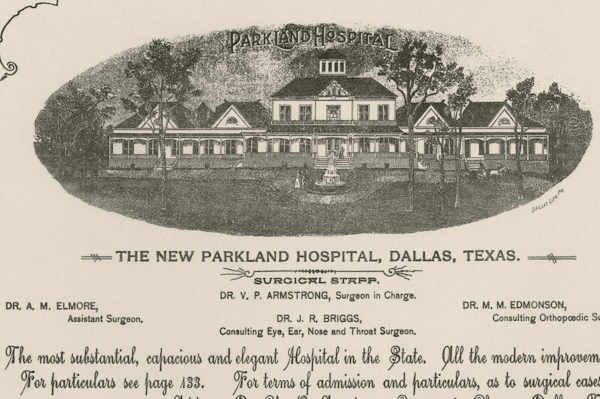
Parkland Memorial Hospital was founded on May 19, 1894, at the intersection of Oak Lawn and Maple Avenues. Doctors treated the first patients in a wooden building on a 17-acre (6.9-hectare) area. The name of the medical facility is derived from the name of the land on which it was established. Initially, it was intended to create a public park on this city-owned area. However, the demand for a multifunctional hospital was more pressing.
In 1913, the wooden structure was rebuilt, and the new brick one became the first brick medical building in the entire state of Texas.
In 1954, Parkland Memorial Hospital relocated to Harry Hines Boulevard. The new facility saw the establishment of a burn unit, a hemodialysis unit and an intensive care unit for patients with cardiovascular diseases, among others.
Due to the large number of patients who wished to be treated at this particular medical facility, it was decided to build a new, more spacious medical complex. In 2010, the new building’s construction got underway, and in 2015, the hospital welcomed patients. The new Parkland Memorial Hospital building offers even more units as well as separate corridors for medical workers and patients. It is located opposite the old building on Harry Hines Boulevard.
Features of activity of Parkland Memorial Hospital
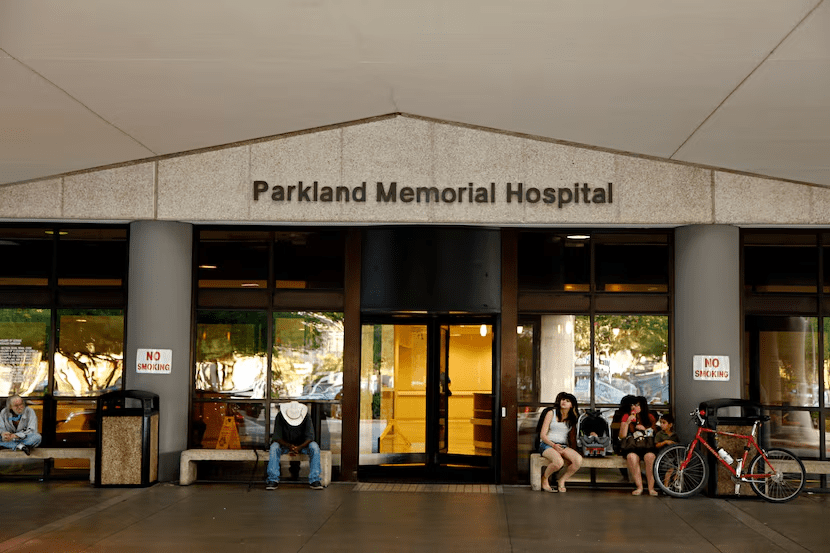
Throughout its long history, Parkland Memorial Hospital has repeatedly been recognized by the American Hospital Association as one of the most technologically advanced hospitals in the United States. The hospital received this award for its use of technology to improve medical services and assist people with health issues. Furthermore, in 2017, the Human Rights Campaign Foundation named the medical institution the best in terms of health equality for members of the LGBT community.
Parkland Memorial Hospital has also received numerous awards for its efforts to preserve the environment, which is particularly important today. The institution’s main department is the country’s largest medical complex, with an area of more than 3.1 million square feet, which has also recieved Energy Star certification. The hospital additionally boasts six LEED Gold-certified buildings that meet international standards. The institution got this honor since it employs water recovery systems, solar energy for its medical services and actively engages in the landscaping process.
Parkland Memorial Hospital is one of leading consumers of renewable energy among medical institutions in the state of Texas. For this, the hospital was recognized by the Environmental Protection Agency’s Green Power Partnership.
But most importantly, this medical institution not only participates in existing programs, but also initiates new ones. For example, in 2016, Employees of Parkland’s Rees-Jones Trauma Center took the initiative to launch a project with the primary purpose of teaching willing citizens how to give first aid before professional rescuers arrive. The great majority of the project’s instructing efforts focused on providing the knowledge required to stop bleeding. As a result, the project was named “Stop the Bleed” and was based on courses in tactical combat aid to the wounded in the Armed Forces.
The most well-known patient of Parkland Memorial Hospital
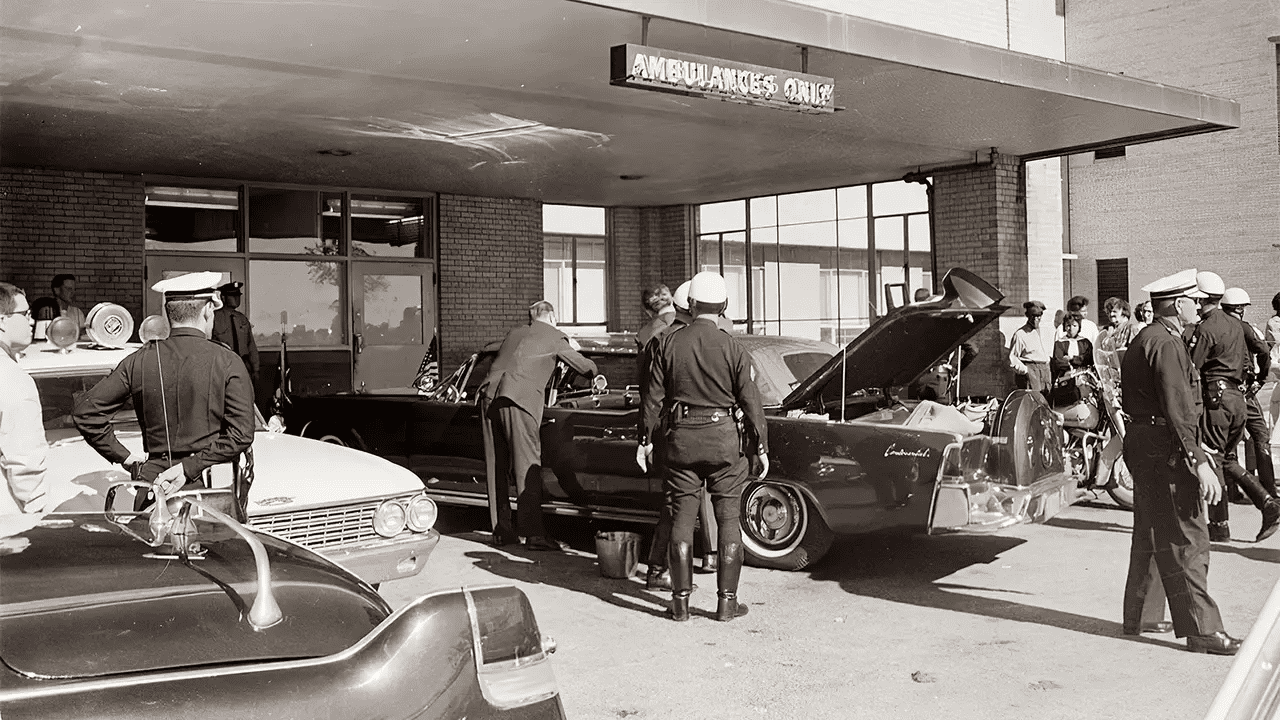
When discussing Parkland Memorial Hospital’s history, it is impossible not to mention the day when the hospital officially confirmed the death of President John F. Kennedy.
On November 22, 1963, at 12:38 p.m., Kennedy was brought to the Parkland Memorial Hospital Trauma Room after being shot. According to the medical institution’s official website, Daniel Foster and Yvonne Clark were there to witness this tragic historical event. Daniel Foster was a doctor of medicine, professor and head of Internal Medicine at the University of Texas Southwestern Medical Center, and Yvonne Clark was an executive secretary in Parkland’s Pathology laboratories. Experts immediately indicated that the president’s injuries were incompatible with life, but despite this, they attempted to do everything possible. At 13:00, they reported the death of John F. Kennedy.
Since then, Parkland Memorial Hospital has forever gone down in history as the place where the 35th president of the United States of America passed away. There are several items that remind our contemporaries that this event occurred within the hospital’s walls: a replica of the US president’s seal, which the White House provided to the institution in 1989, and a bust of John F. Kennedy, sculpted by Felix De Weldon in 2012.