

In most cities, all attention is focused on modern skyscrapers and new residential buildings. However, buildings that have been designated as historical monuments deserve special consideration as well. For example, the Everard Sharrock farmstead stands out among the city’s numerous architectural structures. It is regarded as one of the city’s oldest structures, with historical significance that has remained unchanged over time. Learn more at dallas-future.
History of the Everard Sharrock farmstead
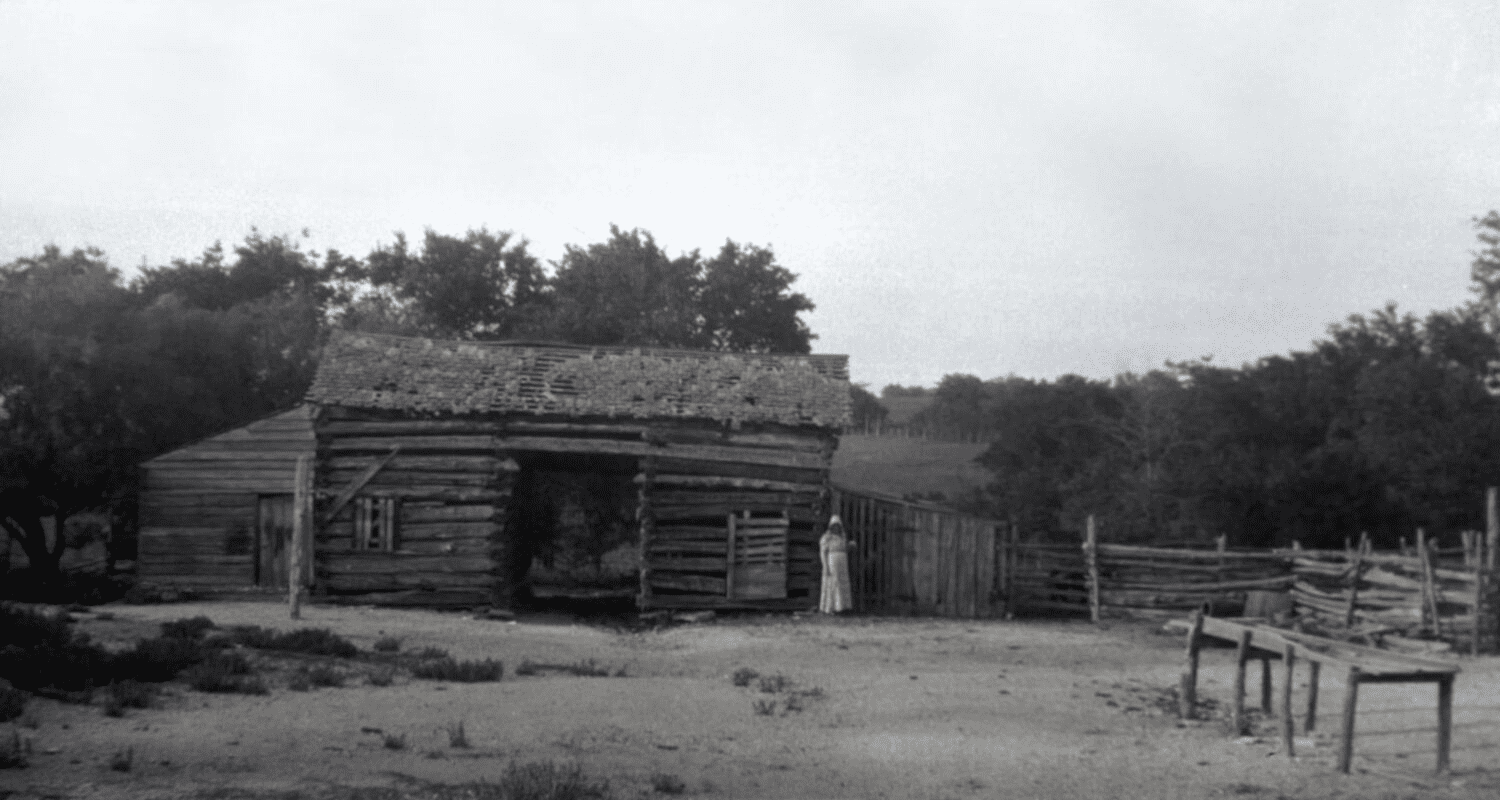
In 1847, Everard Sharrock Jr. and his wife Sarah relocated to southwest Dallas to begin their independent life. On the new land, the newlyweds soon began construction of their own residence, a 210-square-foot cabin. In the same year, the couple welcomed a daughter, Amy.
Everard Sharrock Jr. and other settlers who arrived in the area as part of Peters Colony established the area’s first settlements. The owner of each household did their best to set up their home. Of course, the most appealing of these structures was the Everard Sharrock farmstead. In a very short period of time, the man could boast of the number of structures on his plot, which already included a wooden house, a wooden barn, a cellar, a chicken coop and others. In addition, his farmstead included a well. However, the majority of these constructions never gained the designation of historical value. However, Everard Sharrock’s wooden house has become a real attraction for Dallas.
The next owner of the property after the family of Everard Sharrock Jr. was Grady Niblo Sr. The man bought the land plot in 1934. After that, he devoted all his free time to the development of agriculture. After Grady Niblo Sr. died, his son took over the land, although it was only formal since he was a psychiatrist by profession and had little interest in agriculture. In 2005, the city officially acquired the oldest building in Dallas, which is older than the neighboring city of Fort Worth.
Restoration of the oldest building in Dallas
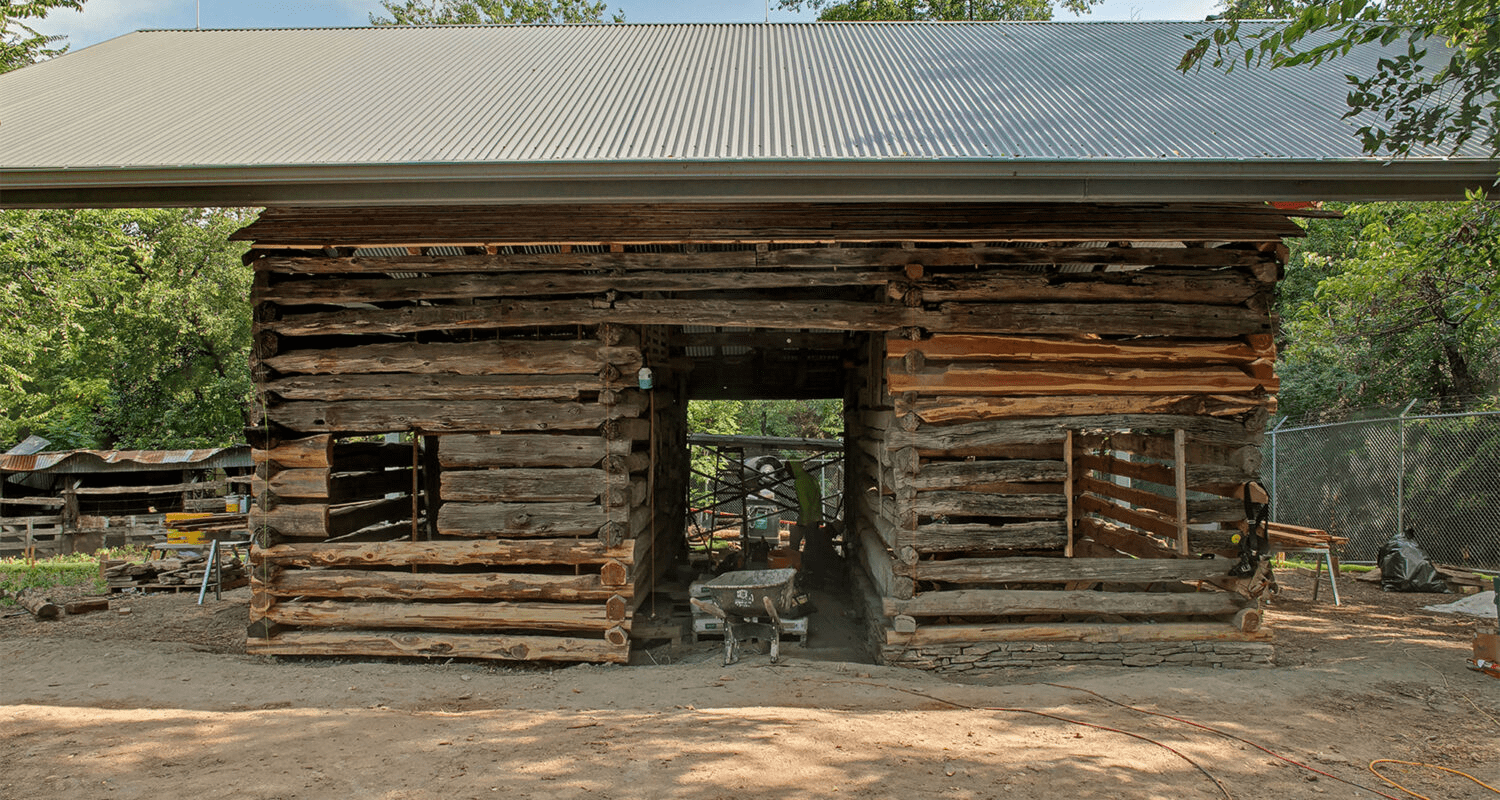
Since the city council took possession of the Everard Sharrock Jr. property, there have been constant discussions about how to begin its restoration. Finally, in 2012, the oldest structure in Dallas was restored. It was first dismantled, and then, to the greatest extent possible, each piece of wood was restored and reinstalled to its original place located near Grady Niblo Road and Texas Highway Spur 408. Melissa Green, a local archaeologist, was responsible for restoring Everard Sharrock’s farmstead. Although she noted that it was extremely rare to leave such old buildings in their original location, she was able to restore the structure.
The specialists used red cedar and white limestone to construct the barn and hut. The most remarkable aspect is that they achieved it without using a single nail. To protect the barn for as long as possible in the future, city authorities ordered the construction of a temporary pavilion over it. A concrete foundation was built beneath the building to provide additional strength, which is completely unnoticeable.
In general, workers attempted to save as many of the original logs as possible, but if the wood was completely destroyed, it was replaced. For this project, old-fashioned tools and ancient techniques of work were used, similar to those used several centuries ago.
Approximately $925,000 has already been allocated from the Dallas budget for the repair of Everard Sharrock Jr.’s homestead. However, work on this landmark is expected to continue in the future. For example, city officials have repeatedly stated that they intend to build a park around the estate where Dallas residents and guests of the city could walk.