

Terrifying historical events laid the groundwork for the Holocaust and Human Rights Museum in Dallas. Human bias, hatred, and indifference brought immense suffering into the world. Dallas residents honor their ancestors’ hardships and have worked tirelessly to create a space where visitors can learn about their stories and pay tribute to their memory. Read on at dallas-future.
History of the Holocaust and Human Rights Museum
In 1977, 125 Jewish survivors of the Holocaust formed an organization in Dallas called Survivors in Dallas. Together with Texas community activists, they founded the Dallas Holocaust Memorial Center in 1984. Originally housed at the Dallas Jewish Community Center in North Dallas, the institution was renamed the Holocaust and Human Rights Museum and moved downtown in winter 2005. Since then, it has occupied a historic district location spanning 55,000 square feet.
Because racist and anti-Semitic ideas persist today, the museum remains a must-visit for everyone. It was established long ago to serve as a home for evidence of past horrors—so that such atrocities are never repeated.
The Tragic Fate of Max Glauben
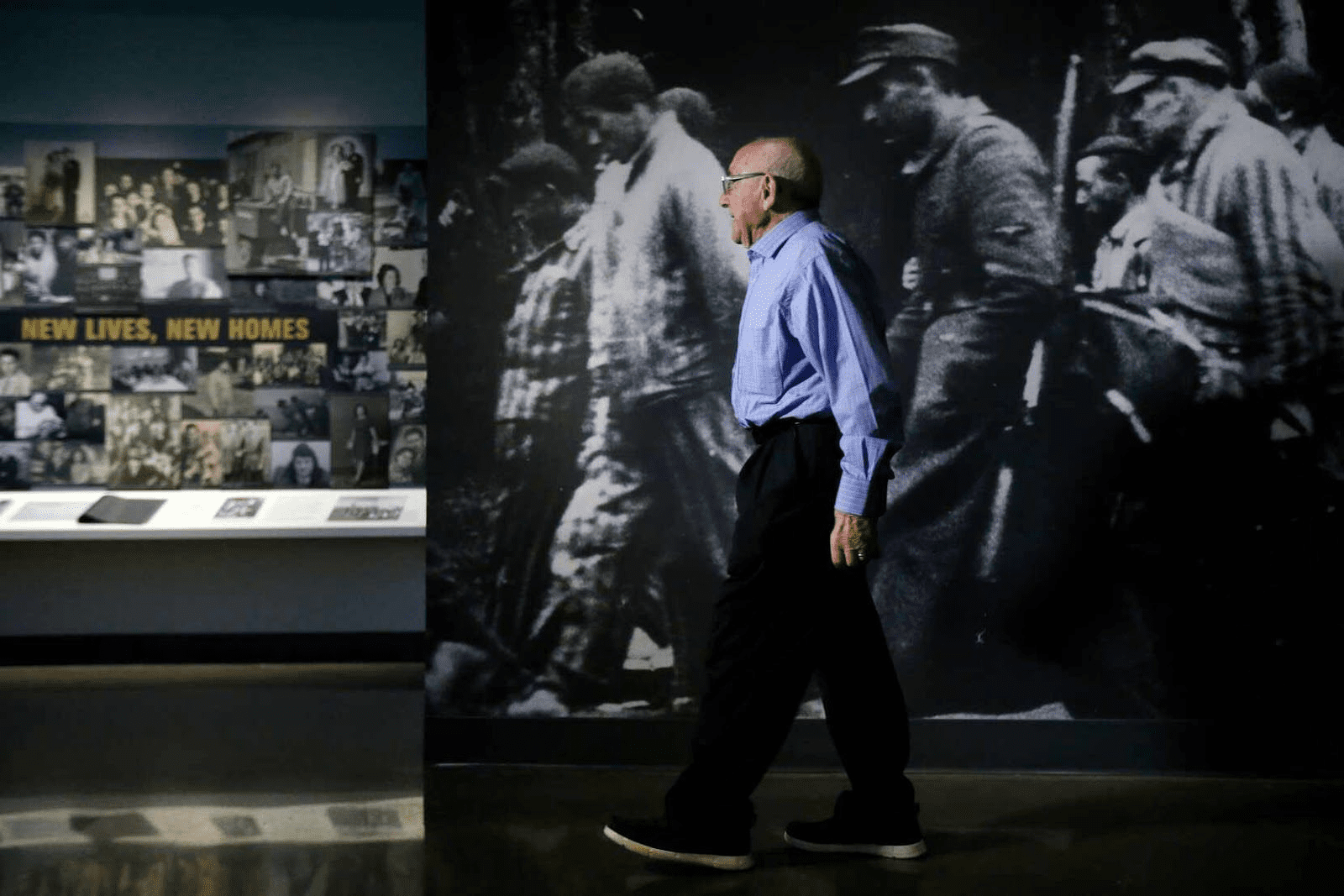
One of the museum’s founders was Max Glauben. In 1943, at age 15, he and his family hid in an underground bunker during the Warsaw Ghetto Uprising. When an informant betrayed their location, the Nazis deported them to the Majdanek death camp in Lublin, where over 78,000 people were killed. Most of Max’s relatives died almost immediately. He and his father survived under inhumane conditions, but although they were first sent to a labor camp, his father was later killed.
Max kept his father’s shoes as a reminder of what he had lost and often spoke about them during presentations at the museum. To him, these shoes symbolized that kindness persists even in the darkest times—just as his father’s love endured to the end.
The Dallas museum became Max’s refuge. He poured his heart into opening such a large institution and then helped shape it into an educational center for future generations. Although he passed away in 2019, he attended every event in its halls until his final days.
Even after his death, exhibits continue to honor Max’s legacy. The museum features an interactive theater showcasing stories from 18 former Nazi prisoners, including Max’s own. He took pride in seeing himself—his hologram—and called that part of the program his greatest reward for surviving. He was amazed that generations of visitors across the United States would continue to hear his voice and look into his eyes.
Program of the Museum of Holocaust and Human Rights
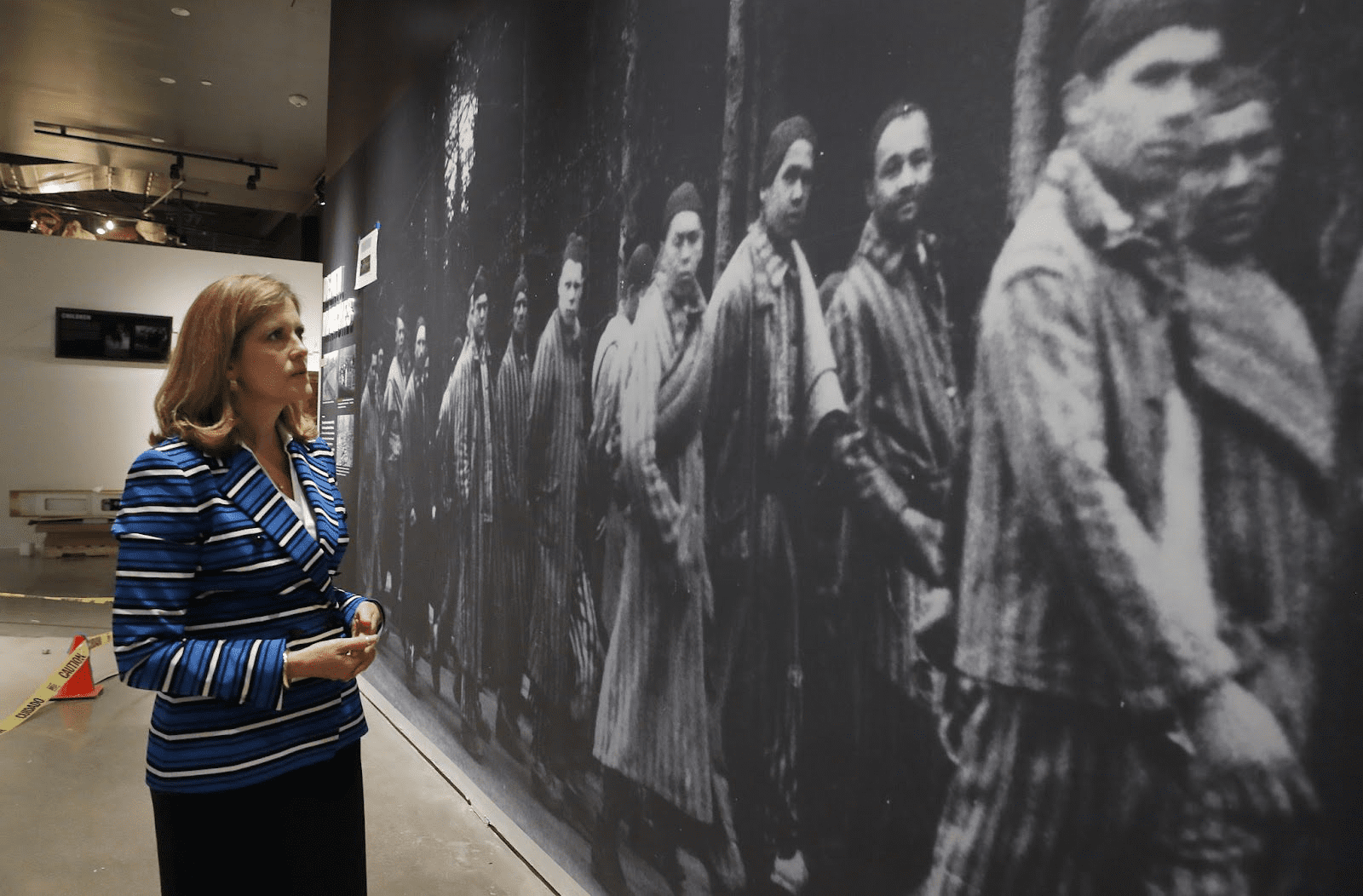
Orientation
Visitors begin their tour in the theater, where they watch a short film about the Jewish community and the hatred that fueled Nazi ideology. At the end, guides point out a photo mural depicting Jewish life in Europe before the Holocaust and their arrival in Dallas.
Holocaust
The massive third-floor hall is equipped with maps, written documents, and screens displaying the testimonies of 68 Jewish survivors who settled in Dallas. This floor also houses the world’s first authentic Nazi-era railcar.
Human Rights Wing
This section showcases current legislative documents, including the Universal Declaration of Human Rights. Guides explain the importance of the Nuremberg Trials and feature the “Ten Stages of Genocide” gallery, with islands representing genocides from Rwanda and Guatemala to the Holodomor in Ukraine.
Turning to the American Wing
In the final section, visitors explore the development of civil rights in U.S. history and how those struggles impact life today. Guests leave with the sense that one must fight for their rights and freedoms until the very end.
Representatives from human rights organizations are always on site, so anyone wishing to share their personal story of rights violations can speak with knowledgeable advocates.
Women’s Footwear Exhibition Organized by the New-York Historical Society
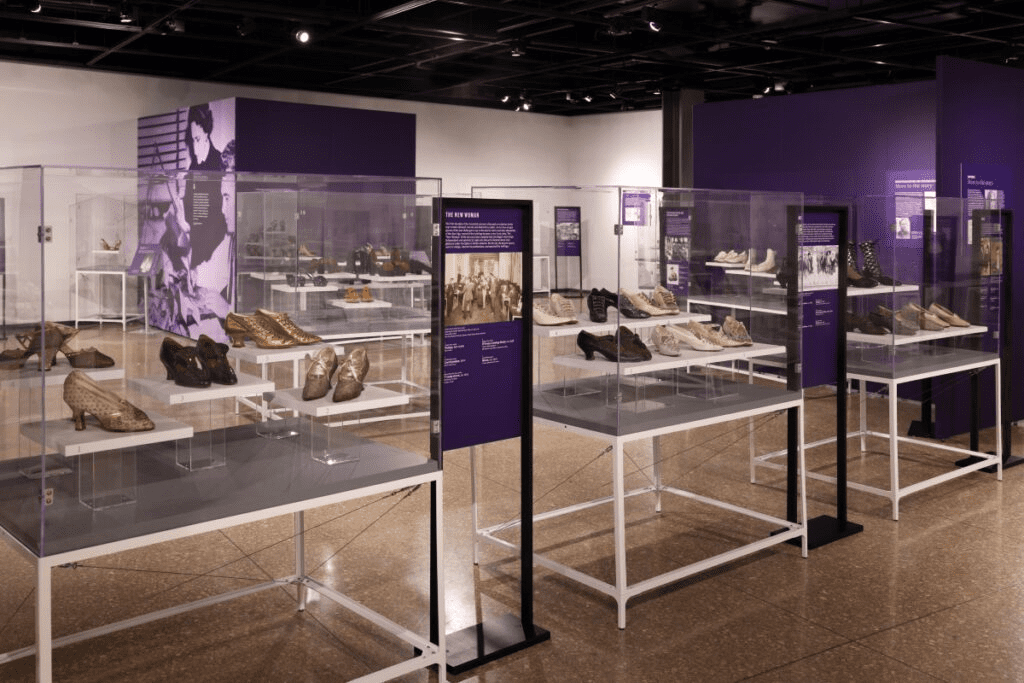
Keeping public interest alive requires special exhibitions. In early 2024, the New-York Historical Society organized a women’s footwear exhibition in a Spanish town before bringing it to Dallas. The museum director explained that showcasing these shoes was essential to highlight women’s roles in society.
With over 100 items on display—the oldest dating back 200 years—the exhibition revealed how footwear did more than protect feet: it witnessed the fight for voting rights and legal equality. Some pieces even recalled the years when women worked in factories and supported the war effort. The Holocaust and Human Rights Museum proved the perfect venue to reflect on and discuss women’s opportunities worldwide.