
The railway is an essential part of every city’s infrastructure. Today, we’ll talk about the history and development of the railway system in Dallas. Learn more about it on dallas-future.com.
How It All Began
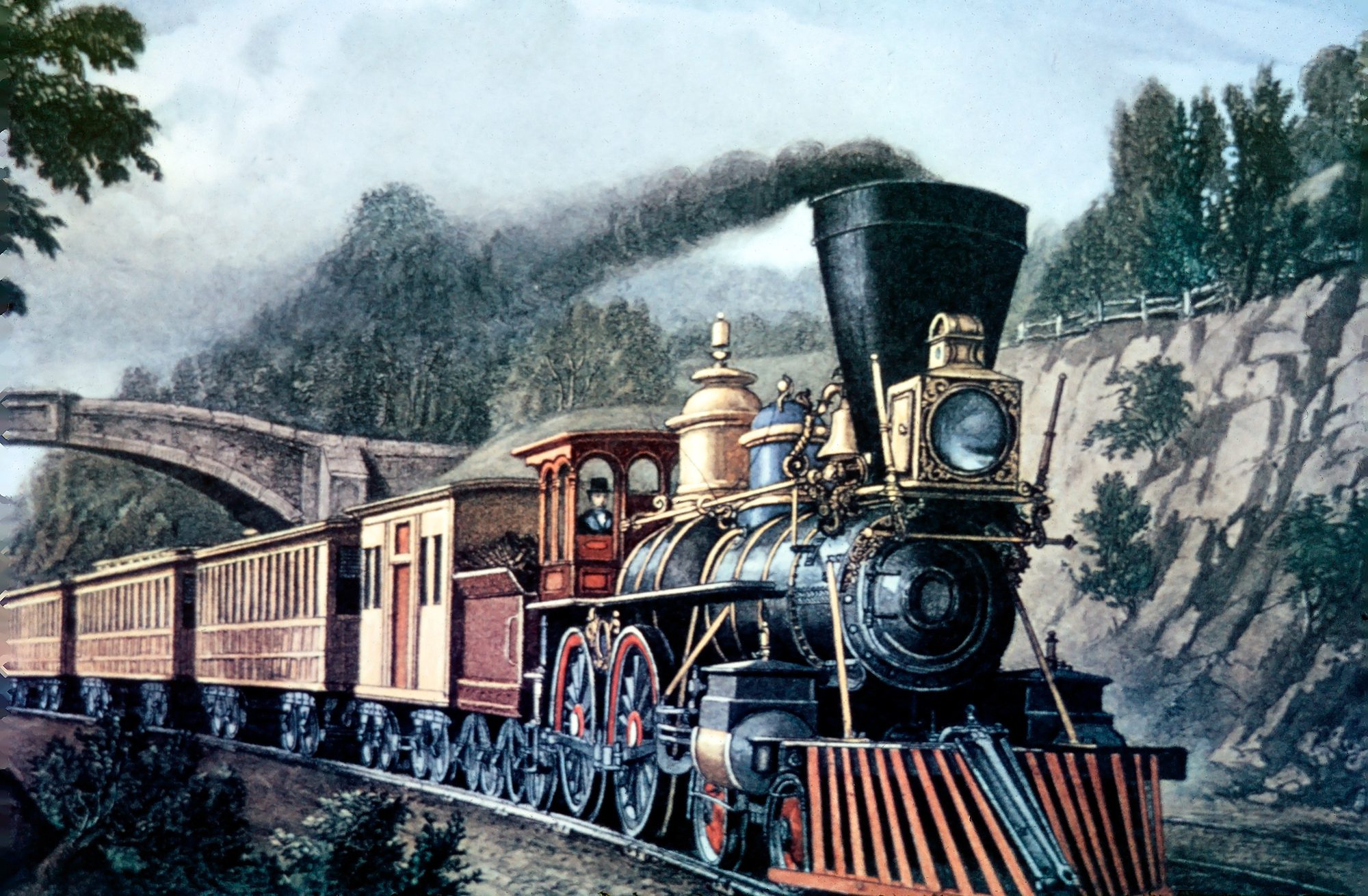
The history of the railway in our city dates back to 1871, when major railway routes first passed through the area. The Dallas city authorities decided to invest $5,000 to ensure the railroad would run directly through the city. It was a wise decision that contributed to Dallas’s economic growth and helped it develop into a major regional center.
Originally, the railway line was planned to pass through the nearby town of Corsicana, but Dallas officials successfully negotiated to shift the route 20 miles westward. By 1873, key railway lines intersected in Dallas, turning the city into an important transportation hub. This significantly boosted its development — fueling economic growth, rapid construction, population increase, and the rise of Dallas as one of Texas’s commercial and industrial centers.
The First Railway Routes and Stations
The opening of the railway in Dallas marked a turning point in its transformation into a key transportation hub. The main railway lines ran through the heart of the city, connecting Dallas with neighboring towns and other parts of Texas.
One of the earliest and most important stations was Union Station, which opened in 1916. It became the largest terminal in the region and a central hub for both passenger and freight trains. Trains departed from Union Station to Houston, San Antonio, Fort Worth, and other major Texas cities.
Another major railway hub was the Dallas Terminal Station, which served several railroad companies and supported the growth of trade and industry. The city also developed local streetcar lines and industrial rail tracks that connected residential districts, industrial areas, and railway stations.
In the first two decades after the introduction of the railways, Dallas experienced major changes in its railway network. These adjustments were driven by the city’s rapid population growth and increasing economic activity, which required flexible and efficient train route planning.
The Texas and Pacific Railway played a key role in building the first lines. The company aimed to connect Dallas with other key regions across Texas, ensuring fast and reliable freight and passenger transportation.
Railways in Modern Dallas
Today, the railway in Dallas functions as part of an extensive passenger and freight transport system. The Dallas Area Rapid Transit (DART) system serves a large portion of the metropolitan area, connecting city neighborhoods with surrounding suburbs. DART operates a network of light rail, commuter trains, and buses, providing service to over 200,000 passengers daily.
Dallas also plays a vital role in freight transportation. Major freight rail lines run through the city, supporting the local and state economy through efficient delivery of goods — especially for industrial and retail sectors.
The city is also served by major passenger rail services, including the Trinity Railway Express (TRE), which connects Dallas and Fort Worth, and Amtrak, the national passenger rail service that provides connections from Dallas to other U.S. states and major cities.
That’s our look at the fascinating history of Dallas’s railways. We hope you enjoyed this story and learned something new about our city’s development and its role in Texas transportation history.

