
Public transportation is essential for every city. It’s hard to imagine modern life without buses, trams, or trolleybuses — the foundation of urban mobility. Today, we’ll talk about the history of the creation and development of streetcar transport in Dallas. Learn more at dallas-future.com.
The First Streetcars in Dallas
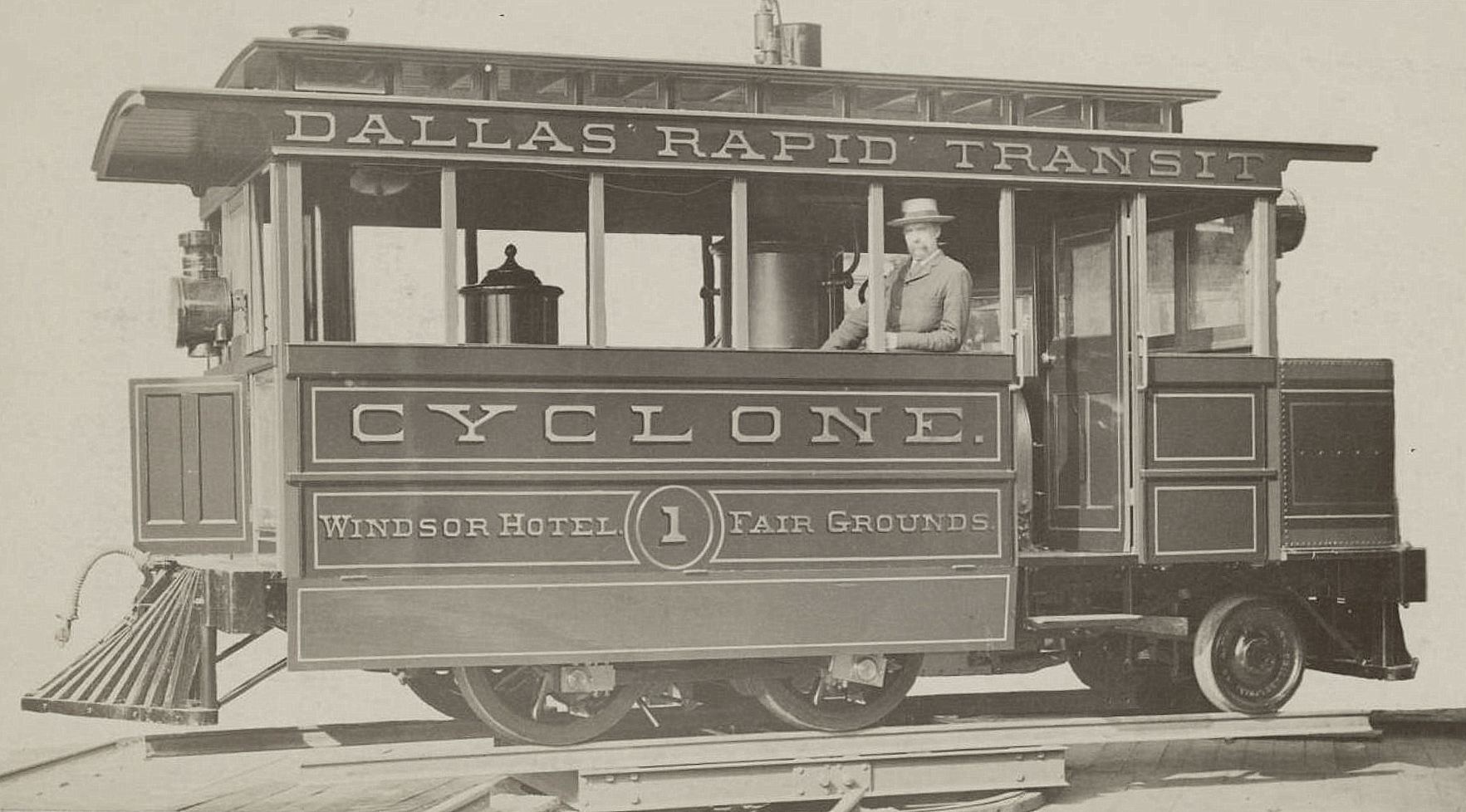
It all began in the 1870s when the first streetcars appeared in Dallas. During that period, the Dallas City Railroad Co. began operating, active from 1871 to 1884. In 1872, the first streetcar line opened — though these were horse-drawn streetcars.
Soon after, work began on building a full streetcar system, which required significant investment: laying tracks, organizing vehicle fleets, and constructing depots. Over time, routes expanded, and the number of cars increased — largely due to the city’s growing population.
Streetcar routes connected residential areas with industrial and commercial centers, supporting Dallas’s rapid growth as one of Texas’s key economic hubs.
By the 1950s and 1960s, however, streetcars began to decline in popularity. The rapid expansion of automobiles and highways led city officials to shut down the old network entirely, ending traditional streetcar service.
Yet, in 1996, Dallas saw a revival of tram transport with the introduction of DART Light Rail, a modern, high-speed light rail system. On June 14, 1996, the first two lines opened. Today, DART Light Rail includes over 150 kilometers (about 93 miles) of track, 65 stations, and carries around 200,000 passengers daily.
Streetcar Development in the Modern Era
As you may know, the city’s streetcar operations are now managed by DART Light Rail, which serves both Dallas and its surrounding suburbs. The system consists of four main lines — Red, Blue, Green, and Orange — and operates seven days a week, from 4:30 a.m. to 12:30 a.m.
On weekdays, trains run every 15 minutes during rush hours, 20 minutes during off-peak hours, and 30 minutes late at night. On weekends, intervals range between 20 and 30 minutes.
Most routes pass through downtown Dallas, providing convenient connections between residential districts, business areas, and commercial zones. The rolling stock consists of 163 Kinki Sharyo SLRV (Super Light Rail Vehicle) trains, all designed with low-floor boarding for improved passenger accessibility and comfort.
As for fares, a one-way ride on DART Light Rail costs around $2.50 for adults. Seniors, students, and children are eligible for discounts — paying about $1.25 per trip. A day pass for unlimited rides costs $6, while a monthly pass is $96. Family and corporate passes with extra benefits are also available.
Today, DART’s high-speed trams are a cornerstone of public transportation in Dallas. The extensive network and convenient connections make it a comfortable and efficient option for residents.
One of DART’s biggest advantages is its environmental friendliness. Since the trams run on electricity, they significantly reduce air pollution compared to cars and buses.
That’s our look at the fascinating history of Dallas’s streetcar system. We hope you found it interesting and learned something new about your city. How often do you take the streetcar?

